

Have you ever experienced a sudden overwhelming feeling of fear, your heart racing, your chest tightening or a sense that something terrible is about to happen?
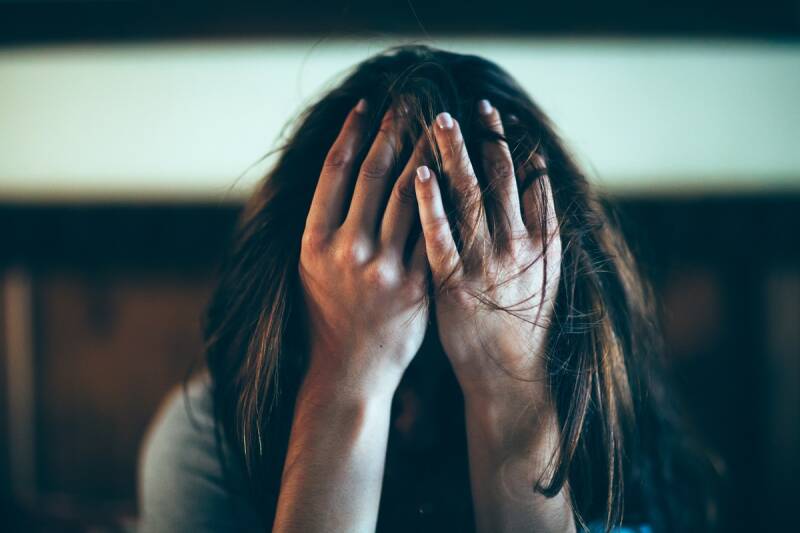
For some people, a panic attack can feel as though they are losing control, having a heart attack or even dying.
But what is actually happening during a panic attack? And perhaps more importantly, why does our body respond this way when there may be no immediate danger?
Understanding Panic Attacks
There is no single reason why someone experiences panic attacks.
For some, they may develop following a traumatic event, a period of prolonged stress or difficult childhood experiences. For others, panic attacks can seemingly appear out of nowhere.
Sometimes, our bodies respond to perceived threats even when we are not consciously aware of what is triggering them.
When we experience fear, our nervous system activates what is commonly known as the fight-or-flight response.
This is our body's natural survival mechanism, designed to protect us from danger.
Our heart rate increases, our breathing changes and our muscles prepare to respond.
The difficulty comes when this response is activated in situations where there is no immediate physical threat.
Although the sensations can be frightening, panic attacks themselves are not generally dangerous. However, the experience can feel incredibly real and overwhelming.
What Does a Panic Attack Feel Like?
Panic attacks can affect people differently, but common symptoms include:
-
A racing or pounding heartbeat
-
Shortness of breath or rapid breathing
-
Dizziness or feeling faint
-
Sweating, trembling or shaking
-
Tightness or discomfort in the chest
-
Feeling disconnected from yourself or your surroundings
-
An overwhelming fear of losing control or dying
For some people, the fear of experiencing another panic attack can become just as difficult as the attack itself.
You might begin avoiding certain places, situations or experiences because you are worried about how your body will respond.
Over time, this can start to impact your confidence, relationships and everyday life.
5 Things That May Help During a Panic Attack
1. Remind Yourself What Is Happening
When panic takes hold, it can be difficult to think clearly.
Try reminding yourself that your body is responding to a perceived threat and that the sensations will pass.
You might say to yourself:
"I'm experiencing panic. This feels frightening, but it will pass."
Recognising what is happening can help reduce the additional fear surrounding the physical sensations.
2. Focus on Slowing Your Breathing
During a panic attack, breathing can become rapid and shallow, which may increase feelings of dizziness and discomfort.
Rather than forcing yourself to take deep breaths, try breathing gently and slowly.
Breathe in comfortably through your nose and allow yourself a slightly longer, relaxed exhale.
The aim isn't to force the panic away, but to give your body an opportunity to settle.
3. Bring Yourself Back to the Present
Panic can make us feel disconnected from our surroundings.
Grounding techniques can help redirect our attention towards what is happening around us.
One approach is the 5-4-3-2-1 technique.
Identify five things you can see, four things you can feel, three things you can hear, two things you can smell and one thing you can taste.
This can help you reconnect with your immediate environment rather than becoming completely absorbed in the sensations of panic.
4. Try Not to Fight the Feeling
Our natural response to uncomfortable emotions is often to resist them.
We want the feeling to stop immediately.
But sometimes, the fear of the panic itself can intensify the experience.
Rather than battling every sensation, try approaching what is happening with curiosity.
What am I noticing in my body? What thoughts are coming up? What might I need right now?
This doesn't mean enjoying or accepting panic as something you have to live with forever.
It means beginning to develop a different relationship with the experience.
5. Explore What Might Be Behind the Panic
While techniques can help manage panic attacks in the moment, it can also be helpful to explore what might be contributing to them.
Are you experiencing prolonged stress?
Have you been through something difficult that you haven't had the opportunity to process?
Do you find yourself constantly worrying, anticipating the worst or feeling responsible for everything around you?
Sometimes, panic attacks can be connected to patterns of thinking, past experiences or the ways we have learned to respond to stress.
Understanding these patterns can be an important part of making meaningful changes.
Can Therapy Help With Panic Attacks?
Therapy isn't simply about learning techniques to stop uncomfortable feelings.
It can also provide an opportunity to understand yourself on a deeper level.
At Empower Me Therapy in Doncaster, I offer an integrative approach to counselling, recognising that every person's experiences, circumstances and needs are different.
Together, we can explore how panic attacks are affecting your life, identify possible triggers and develop strategies that support you in managing difficult thoughts, feelings and physical sensations.
We may also explore past experiences, relationships or patterns of behaviour that could be contributing to your anxiety.
The aim isn't to promise that you'll never experience anxiety again.
Anxiety is a normal part of being human.
Instead, therapy can help you develop greater awareness, confidence and a different way of responding when anxiety arises.
Looking for Panic Attack Therapy in Doncaster?
If panic attacks are beginning to affect your confidence, relationships, work or ability to enjoy everyday life, you don't have to wait until things become unbearable before seeking support.
At Empower Me Therapy, I offer counselling and therapy for anxiety and panic attacks in Doncaster, with flexible options including:
-
Face-to-face therapy sessions in Doncaster
-
Online counselling
-
Walk-and-talk therapy in local Doncaster surroundings
Sessions are £45, and I offer a free 15-minute initial consultation to discuss what you're experiencing and whether therapy feels right for you.
You can contact me at info@empowermetherapy.co.uk or visit www.empowermetherapy.co.uk.
One final thought.
Sometimes, the question isn't simply "How do I stop having panic attacks?"
Perhaps it's also worth asking, "What might my mind and body be responding to, and how can I begin to understand that response differently?"
You don't have to have all the answers before starting therapy.